
Why In-Depth House Cleaning Transforms Your Home
In-depth house cleaning is a comprehensive cleaning process that targets hidden dirt, grime, and allergens that regular cleaning misses. Unlike standard cleaning that focuses on surface-level tidiness, deep cleaning addresses areas that are often overlooked.
Here’s what differentiates in-depth house cleaning from regular cleaning:
| Aspect | Regular Cleaning | In-Depth House Cleaning |
|---|---|---|
| Frequency | Weekly | Every 3-6 months |
| Time Required | 1-2 hours | 3-8 hours |
| Areas Covered | Visible surfaces | Hidden spots, behind appliances, inside fixtures |
| Purpose | Maintain appearance | Eliminate allergens, prevent buildup, improve air quality |
| Depth | Surface level | Detailed scrubbing and sanitizing |
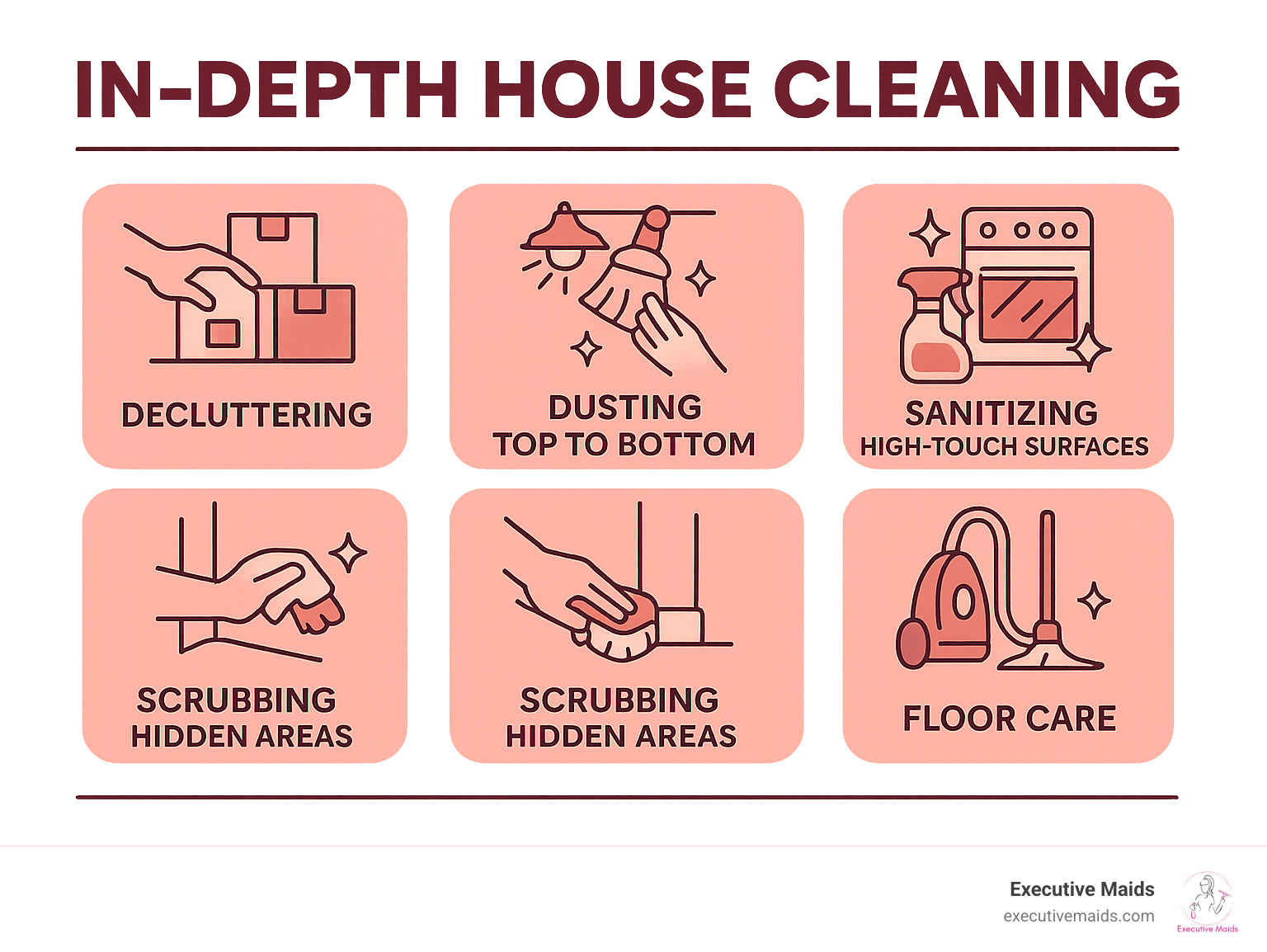
A thorough deep clean typically includes:
- Dusting from ceiling to floor – including fans, vents, baseboards
- Sanitizing high-touch areas – switches, handles, remotes
- Cleaning inside appliances – oven, refrigerator, dishwasher
- Scrubbing grout and scale – in bathrooms and kitchens
- Moving furniture – to clean underneath and behind
- Washing window treatments – curtains, blinds, sills
Most homes benefit from an in-depth house cleaning quarterly or semi-annually, with signs it’s needed including persistent odors, quick dust buildup, dull surfaces, and worsening allergy symptoms.
Deep vs. Standard Cleaning: What’s the Real Difference?
When we talk about cleaning, there’s cleaning, and then there’s in-depth house cleaning. The difference isn’t just semantic—it’s substantial.
“The object of cleaning is not just to clean, but to feel happiness living within that environment,” says Marie Kondo, and this perfectly captures why deep cleaning matters so much. It’s not just about appearances; it’s about creating a truly healthy living space.
Standard cleaning tackles the visible dirt and disorder—the stuff you notice day-to-day. It keeps your home looking presentable and prevents messes from piling up. Think of it as maintenance cleaning that you might do weekly.
In-depth house cleaning, on the other hand, is like a reset button for your home. It’s comprehensive, methodical, and targets all those neglected areas where grime slowly accumulates over time. This type of cleaning typically takes more than twice as long as standard cleaning because it’s so thorough.
The Anatomy of a Deep Clean
An in-depth house cleaning digs into the nooks and crannies that regular cleaning skips. Here’s what makes it truly “deep”:
Hidden grime becomes visible when we pull out appliances to clean behind them, get under furniture, and reach high shelving that’s often ignored. Your baseboards, which quietly collect dust for months, get special attention during a deep clean. Those forgotten vent covers—the ones circulating dust throughout your home—are thoroughly vacuumed.
The intensive scrubbing that happens during a deep clean tackles problems like scale buildup in bathrooms, baked-on grease in kitchens, and stubborn soap scum that regular cleaning often misses. And we don’t just clean the outside of appliances—we tackle the insides too, from ovens to refrigerators, microwaves to dishwashers.
According to cleaning experts, refrigerator coils that are clogged with dust can reduce efficiency by up to 25%, costing you extra money on electricity. This is just one example of how in-depth house cleaning can actually save you money in the long run.
Why Regular Tidying Isn’t Enough
While daily and weekly cleaning routines are essential, they simply can’t replace periodic deep cleaning. Here’s why:
Dust buildup is inevitable in every home. Even if you’re diligent about your regular cleaning, dust accumulates in ventilation systems, on ceiling fans, and deep in carpet fibers. Over time, this significantly impacts your indoor air quality. The EPA reports that indoor air can be 2-5 times more polluted than outdoor air, largely due to dust, pet dander, and other particulates that regular cleaning doesn’t fully address.
Mold and mildew prevention requires the thoroughness of deep cleaning. Bathrooms and kitchens especially need regular attention to prevent harmful growth. Surface cleaning might remove visible mildew, but it often doesn’t address the root causes. Surprisingly, one study found that 60% of homes have some form of hidden mold growth, often in areas that only get attention during an in-depth house cleaning.
When you consider these facts, it becomes clear that regular tidying keeps your home presentable, but in-depth house cleaning keeps it healthy, efficient, and truly clean.
In Depth House Cleaning Frequency: How Often & Tell-Tale Signs
Determining the right frequency for deep cleaning your home depends on several factors unique to your household. Let’s break it down.

How Often Should You Perform In Depth House Cleaning?
For most homes, we recommend in-depth house cleaning every 3-6 months. This sweet spot balances thoroughness with practicality, but your specific situation might call for adjustments.
Your household’s makeup matters tremendously too. A busy family of five will naturally create more traffic, mess, and hidden grime than a single person. I’ve noticed that homes with young children benefit from quarterly deep cleans – not just for appearance, but for health reasons too.
And let’s talk about our furry family members! Pet owners, you know the struggle. Those adorable companions leave invisible calling cards everywhere – dander, hair, and sometimes odors that regular cleaning just can’t tackle. If your home hosts multiple four-legged friends, consider deep cleaning every three months to keep allergens at manageable levels.
Life events often trigger the need for deep cleaning too. Moving into a new home? A thorough deep clean gives you a fresh start. Finishing a renovation project? All that construction dust needs professional attention. Planning a major gathering? There’s nothing like a spotless home to make you feel confident as a host.
For those battling allergies or asthma, more frequent deep cleaning isn’t just nice – it’s necessary. Research published in the Journal of Allergy and Clinical Immunology found that regular deep cleaning can reduce indoor allergens by up to 84% – a significant quality of life improvement for sensitive individuals.
Scientific research on indoor air quality
8 Signals It’s Time for an In-Depth House Cleaning
Your home has ways of telling you when it needs more than just surface cleaning. Here are the unmistakable signs that it’s time to go deeper:
That persistent musty odor that lingers despite your best efforts with air fresheners and regular cleaning? It’s usually a cry for help from deep-seated dirt that standard cleaning just can’t reach. When smells stick around despite your efforts, it’s time for intervention.
Notice how dust seems to reappear almost immediately after you’ve cleaned? This frustrating cycle often means you have dust reservoirs hiding in vents or difficult-to-reach places that continuously redistribute particles throughout your home.
Even diligent cleaners sometimes notice surfaces looking dull or hazy despite regular attention. This usually indicates a buildup of cleaning product residue creating a film that only proper deep cleaning techniques can remove.
Visible dust collecting along baseboards or in vent covers is essentially your home waving a white flag. These areas show accumulation that’s likely happening throughout your entire ventilation system.
When household members experience increased sneezing, itchy eyes, or other allergy symptoms inside the home, it’s often a biological response to allergens that have accumulated beyond what regular cleaning removes.
Those sticky cabinet handles and grimy light switches might seem like minor annoyances, but they’re actually telling signs of oils and dirt buildup in high-touch areas that regular cleaning routines tend to overlook.
Finally, that lingering mildew smell in bathrooms despite regular cleaning suggests hidden mold growth in areas you can’t see – behind fixtures or under seals – that needs professional attention.
Your home speaks to you through these signals. When you notice them, it’s not just about aesthetics – it’s about creating a truly healthy environment where you and your family can thrive.
Must-Have Supplies & Eco-Friendly Choices
Effective in-depth house cleaning requires the right tools for the job. Having a well-stocked cleaning arsenal makes the process more efficient and the results more impressive.
Building Your Deep-Clean Caddy
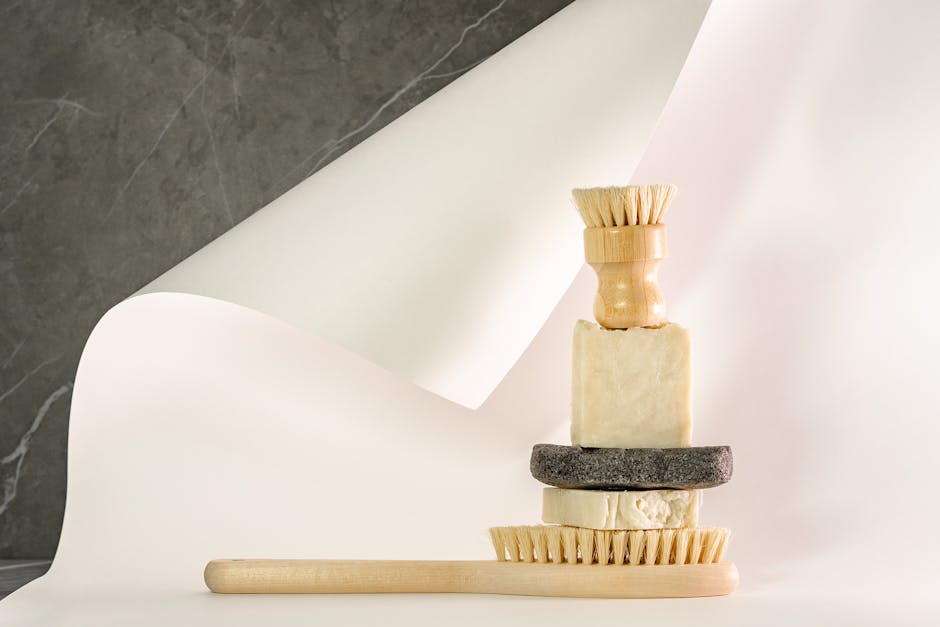
Microfiber cloths are truly the workhorses of deep cleaning. Unlike regular rags, they actually trap dust instead of just pushing it around. I recommend keeping at least 10-15 cloths in different colors – this isn’t overkill, I promise! We use color-coding to prevent cross-contamination (nobody wants their kitchen counters wiped with the same cloth that just cleaned the toilet!).
A quality HEPA vacuum cleaner is worth every penny for in-depth house cleaning. I’ve seen the difference in homes with allergy sufferers – standard vacuums often blow fine dust particles right back into the air, while HEPA filters trap them for good.
Don’t forget your extension tools! Nothing ruins a deep cleaning day faster than a trip to the emergency room after falling off a chair trying to reach ceiling corners. A telescoping duster, vacuum extension wand, and long-handled scrubber let you safely reach those forgotten spaces where dust bunnies multiply.
For safety’s sake, always keep rubber gloves on hand to protect your skin, a face mask for dusty jobs (your lungs will thank you), and knee pads if you’ll be doing floor work. Your body isn’t a cleaning tool – protect it!
One of my favorite organizational tips I share with clients is to arrange your cleaning caddy by task rather than product type. Keep bathroom-specific tools together, kitchen tools together, and so on. This simple switch saves precious minutes when moving from room to room during your deep clean.
Sustainable Swaps for a Greener Sparkle
More and more of our clients are asking about eco-friendly cleaning options, and I’m thrilled about this shift! You absolutely can have a spotless home without harsh chemicals.
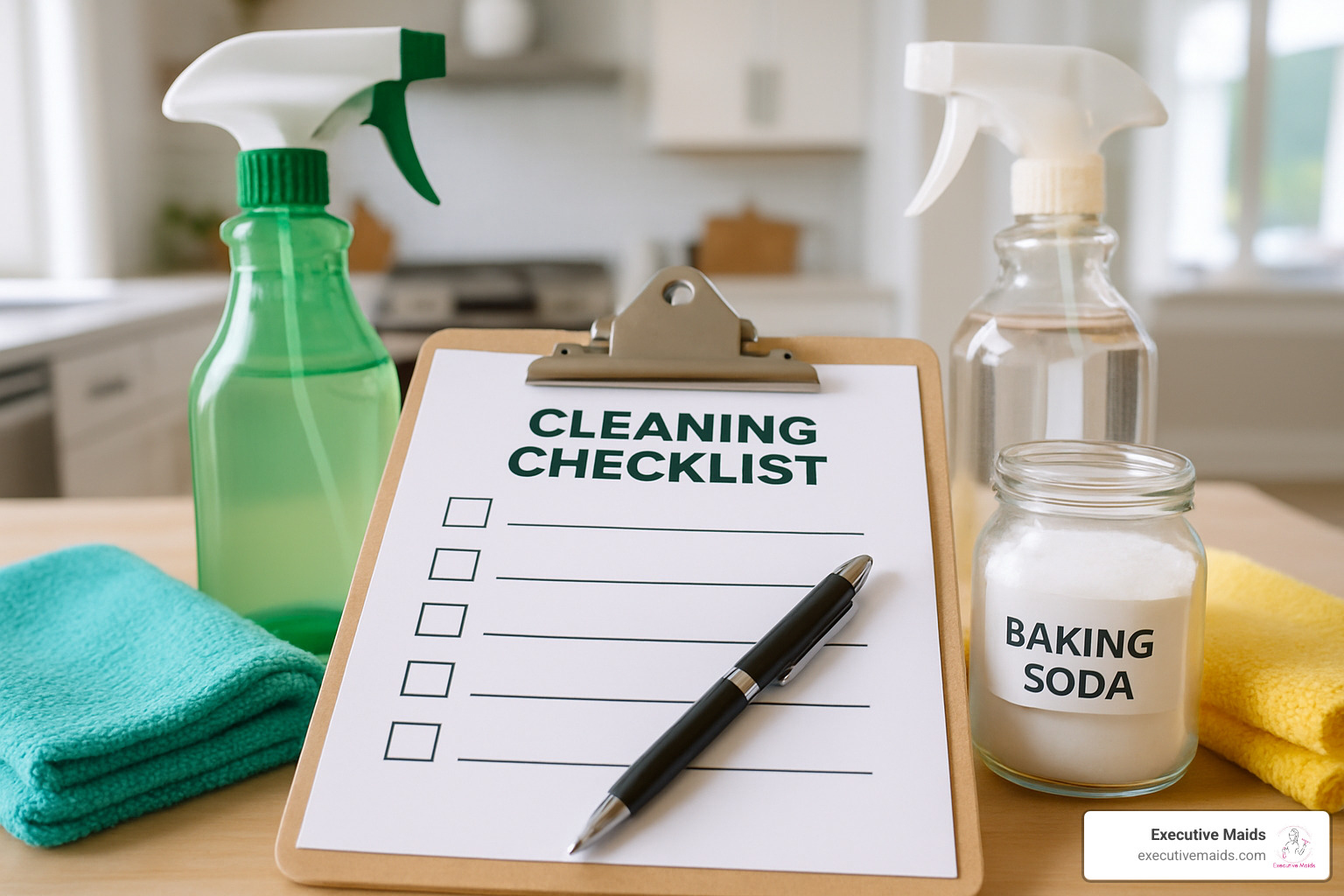
Baking soda is nature’s scrubbing powder. It cuts through grease, deodorizes, and provides just enough abrasion without scratching delicate surfaces. For shower doors with stubborn soap scum, make a paste with water and let it sit for 10 minutes before scrubbing – works like magic!
White vinegar has become my go-to for dissolving mineral deposits and cleaning glass to a streak-free shine. Just remember the cardinal rule: never mix vinegar with bleach! This creates dangerous chlorine gas. For those tough jobs that seem to demand heavy-duty products, try hydrogen peroxide as a safer bleach alternative or enzyme cleaners for stubborn stains and odors.
I’ve fallen in love with Swedish dishcloths as a sustainable replacement for paper towels. They’re absorbent, washable, and biodegradable when they finally wear out. One cloth replaces about 17 rolls of paper towels!
For those who prefer ready-made products, look for plant-based commercial cleaners with concentrated formulas. They reduce packaging waste and are often gentler on sensitive skin. Fragrance-free disinfectants are particularly important for households with asthma or chemical sensitivities.
A truly clean home doesn’t need to smell like chemicals – that fresh, neutral scent after an in-depth house cleaning is the genuine smell of clean!
Room-by-Room Step-by-Step Playbook
Now that we understand what in-depth house cleaning entails and have gathered our supplies, let’s break down the process room by room. Following a systematic approach ensures no area gets overlooked.
I’ve found that the golden rule of deep cleaning is surprisingly simple: always work from top to bottom and from dry to wet. This prevents the frustration of having to re-clean areas when dust falls from above or when dry cleaning creates debris. It’s a lesson I learned the hard way after dusting baseboards only to have ceiling fan dust rain down minutes later!
Before tackling any room, take a few minutes to:
1. Declutter the space completely
2. Remove items from surfaces
3. Take out rugs and textiles that need separate cleaning
4. Open windows for ventilation when possible
Kitchen: Heart of the Home
The kitchen typically requires the most intensive cleaning because, let’s face it, it’s where life happens! Between food preparation, grease accumulation, and constant traffic, kitchens need extra TLC.
Start with ceiling and walls (about 30 minutes), dusting those often-forgotten corners where cobwebs like to hide. Wipe down walls, especially near the stove where grease creates that sticky film that regular cleaning misses. Don’t forget those air vents that circulate cooking odors throughout your home.
For cabinets and drawers (45 minutes), empty and wipe inside each one. I always find mysterious sticky spots under the sink! Clean those cabinet exteriors, paying special attention to handles where oils from fingers build up. As you replace items, take the opportunity to reorganize and perhaps add fresh liner paper.
Appliances take about an hour but make such a difference. Pull out that refrigerator (you might find a long-lost sock!) and vacuum those coils—your electric bill will thank you. Clean door seals where crumbs love to hide. For the oven, run a self-cleaning cycle or use oven cleaner for baked-on messes. Don’t forget to descale your coffee maker and clean that toaster crumb tray that’s probably overflowing.
For countertops and backsplash (30 minutes), remove everything first—you’ll be amazed at the dust under your coffee maker! Scrub that backsplash grout that’s gradually darkened over time, and use appropriate cleaners for your countertop material. If you have natural stone, this is a good time to reseal it.
Your sink and fixtures (20 minutes) deserve special attention. Scrub the sink with baking soda for a fresh shine, and don’t forget to clean and polish those faucets. Run some disposal cleaner, or my favorite hack: ice cubes and lemon peels to freshen and sharpen disposal blades.
Finally, tackle the floor (30 minutes) by moving everything—yes, even that heavy trash can—and sweeping thoroughly before mopping. Those corners by the refrigerator often hide months of crumbs and dust.
Bathroom: Mold & Mildew Hot-Spot
Bathrooms require special attention during in-depth house cleaning due to moisture issues and sanitation concerns. They’re smaller spaces but often the most challenging.
Start with ventilation and ceiling (15 minutes). Pop off that exhaust fan cover—you might be shocked at the dust bunnies living inside! Vacuum the fan housing and wipe the ceiling, especially in shower areas where sneaky mold spores like to settle.
The shower and tub (45 minutes) are usually the biggest bathroom projects. Apply scale remover to shower doors (that cloudy film is mineral deposits) and scrub grout lines with a small brush. For stubborn showerheads, try soaking them in vinegar. Don’t forget the often-neglected tub drain ring—that dark line isn’t actually dirt but body oil and soap scum that’s built up over time.
For the toilet (20 minutes), go beyond the basic bowl cleaning. Apply bowl cleaner and let it sit while you clean the exterior—including that often-missed area right at the base and behind the fixture. Then circle back to scrub the bowl and sanitize the handle and seat.
The vanity and storage (30 minutes) benefit from a complete emptying and reorganizing. Wipe down cabinet interiors, clean mirrors and light fixtures, and scrub the sink and countertop. Those toothbrush holders and soap dishes harbor surprising amounts of bacteria and deserve thorough sanitizing.
Finish with floors and baseboards (20 minutes), sweeping thoroughly before scrubbing grout between tiles. Mop with a good disinfectant and wipe those baseboards and door frames that collect dust and hairspray residue.
Bedrooms & Closets
Bedrooms should be sanctuaries free from dust and allergens that can disturb sleep. Yet they often get less cleaning attention than more public spaces.
Begin with the ceiling and lighting (15 minutes). Those ceiling fan blades are dust magnets! Here’s a pro tip: slip an old pillowcase over each blade to catch dust as you wipe. Clean light fixtures and lampshades—you’ll be surprised how much brighter your room becomes when light fixtures are truly clean.
For bedding and mattress (30 minutes), strip everything for washing in hot water. Vacuum your mattress thoroughly—the average mattress doubles in weight over ten years from dust mites and skin cells (sorry for that mental image!). For freshness, sprinkle baking soda, let it sit for an hour, then vacuum again.
When tackling furniture (30 minutes), move the bed to vacuum underneath—this is where dust bunnies throw their parties! Dust headboards, bed frames, and all furniture surfaces, including those easily forgotten undersides and backs. Clean mirrors and picture frames that have collected a fine layer of dust.
Closet organization (45 minutes) starts with clearing the floor. Vacuum thoroughly, wipe down shelving, and dust clothing rods. This is also an ideal time to consider purging items you no longer use or wear.
For windows and window treatments (20 minutes), vacuum curtains or remove for washing. Clean blinds by closing them one way to dust, then reversing them to get the other side. Don’t forget those windowsills and tracks that collect both dust and moisture.
Finish with floors (20 minutes), vacuuming carpets thoroughly and using attachments for edges where dust accumulates. For hard floors, mop with appropriate cleaners and wipe down baseboards and door frames.
Living & Dining Areas
These gathering spaces see the most traffic and collect dust and dirt that regular cleaning often misses. They’re also the spaces that make the biggest impression on guests.
Start with ceiling and lighting (20 minutes), dusting crown molding and ceiling corners where cobwebs love to gather. Clean light fixtures and ceiling fans—you’d be amazed how much brighter your room will feel with truly clean lighting.
For furniture (45 minutes), move pieces to clean underneath—this is where lost items and dust colonies thrive! Vacuum upholstery, including under those cushions where crumbs, coins, and TV remotes mysteriously migrate. Spot clean fabric stains and dust and polish wood surfaces, including the legs and undersides of tables and chairs that rarely get attention.
Your electronics (15 minutes) need gentle but thorough cleaning. Carefully dust TV screens and components, and don’t forget those remote controls that harbor more germs than you might want to think about! Organize and wipe down cords, and vacuum vents on devices to prevent overheating.
Window treatments (30 minutes) collect significant dust. Vacuum drapes and curtains, dust blinds thoroughly, and clean windowsills and tracks. If accessible, washing windows inside and out makes a dramatic difference in how bright your room feels.
For decorative items (20 minutes), remove and dust all those cherished knickknacks, clean picture frames and mirrors, and dust bookshelves—removing books if necessary to get behind them. Don’t forget lamp bases and shades, which collect dust that can burn and create odors when lights are on.
Finish with floors (30 minutes), vacuuming carpets with special attention to edges and under furniture. Mop hard floors, clean baseboards, and treat any carpet stains that have been bothering you.
Utility & Entry Spaces
These transitional areas often accumulate dirt from outside and can harbor moisture issues, yet they’re frequently overlooked during regular cleaning.
In the laundry room (30 minutes), clean the washing machine by running an empty cycle with vinegar to remove detergent buildup and prevent musty odors. Wipe down the exterior of both washer and dryer, and clean that lint trap and vent—it’s not just about cleanliness but fire safety too. Organize laundry supplies and mop the floor, especially under machines where leaks might have occurred.
For your entryway/mudroom (20 minutes), wash walls where people brush against them with coats or bags. Clean light fixtures, sanitize doorknobs and light switches (high-touch areas that harbor germs), and organize shoe storage. Sweep and mop floors, paying special attention to corners where outside dirt accumulates, and clean both inside and outside of your entry door.
Finally, tackle those utility closets (15 minutes) by organizing supplies, wiping down shelving, checking and replacing HVAC filters, and vacuuming floors and corners. These spaces may be out of sight, but they affect your home’s air quality and overall cleanliness.
Overlooked Zones & Common Mistakes to Avoid
Even the most diligent cleaners sometimes miss certain spots. After thousands of in-depth house cleaning jobs, our teams at Executive Maids have identified those sneaky areas that often fly under the radar.
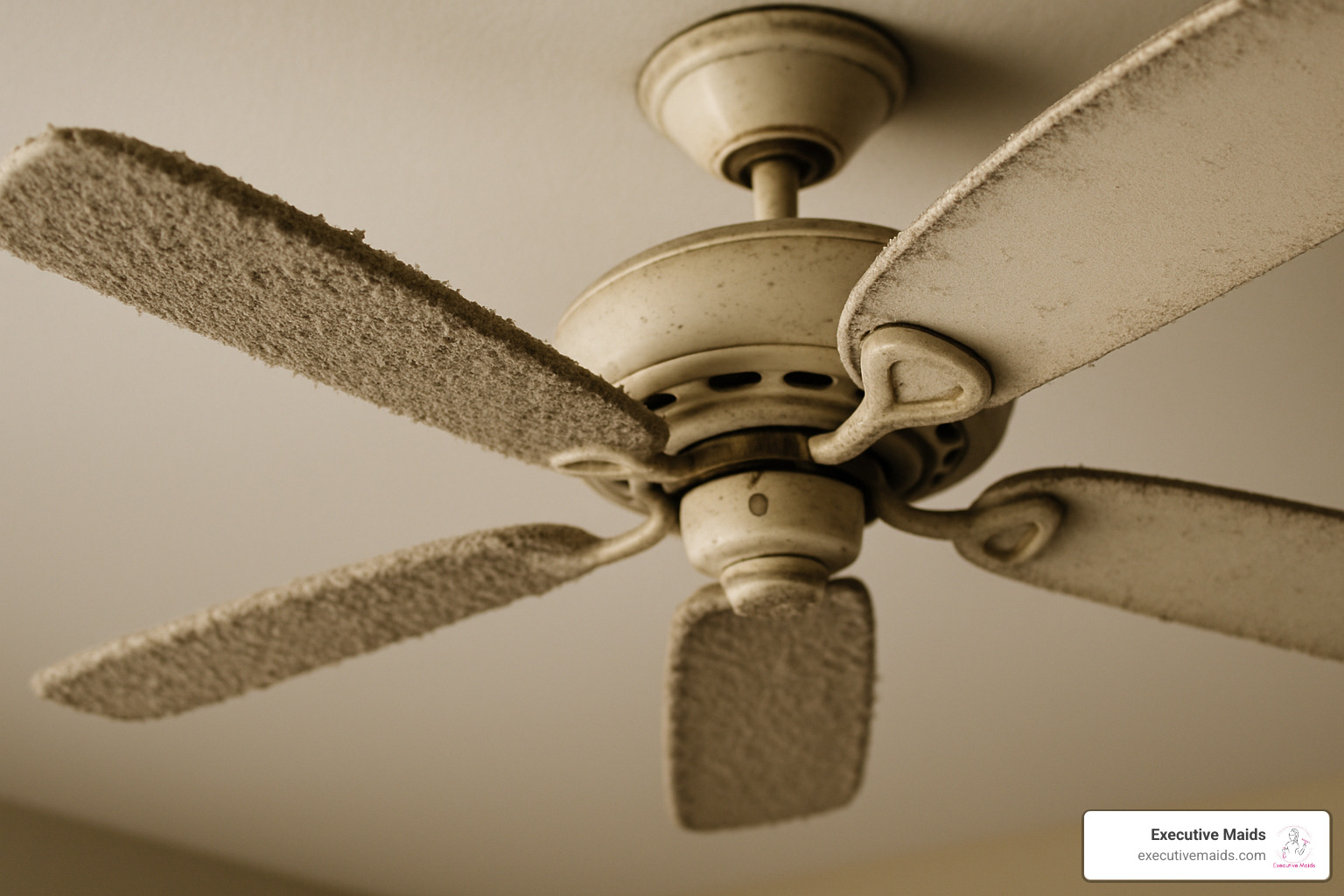
Those ceiling fans you see in the image above? They’re dust magnets. When we visit homes for the first time, we often find ceiling fans that haven’t been cleaned in months—sometimes years! A clever trick our teams use is slipping a pillowcase over each blade, then pulling it back to trap all that dust without it raining down on your furniture.
Door frames and tops of doors are another commonly forgotten zone. Go ahead—run your finger along the top of any door in your home right now. Surprised? These areas collect an impressive amount of dust but remain out of sight and out of mind during regular cleaning routines.
Have you ever really looked at your light switches and outlet covers? They’re touched countless times daily, collecting oils from fingers and gradually developing a grimey film. During an in-depth house cleaning, we remove the covers (after turning off power, of course) to give them a proper scrub.
Window tracks and sills are another trouble spot. These channels where windows slide collect dirt, dead insects, and moisture—a perfect recipe for mold if left unattended. A detail-oriented in-depth house cleaning addresses these areas with old toothbrushes and cotton swabs to reach every crevice.
Your bathroom exhaust fan works hard to remove moisture, but when was the last time you cleaned it? These fixtures collect dust and lint that can actually become fire hazards if ignored too long. We carefully remove the covers and vacuum out the accumulated debris.
That space under furniture you haven’t moved in years? I hate to break it to you, but it’s probably hosting a thriving community of dust bunnies. Even pieces that seem too heavy to move should be shifted during a proper deep clean.
Don’t forget those rarely-used appliances either. The waffle maker you pull out for Sunday brunches or the bread machine that only appears during holiday baking sessions could be harboring mold or even attracting pests if not properly cleaned between uses.
When it comes to in-depth house cleaning, avoiding common mistakes is just as important as knowing what to clean. The biggest error we see is rushing through tasks. Cleaning products need time to work their magic—skipping those recommended “let sit for 10 minutes” instructions significantly reduces their effectiveness.
This mixture can actually create toxic chlorine gas—definitely not something you want in your home! Always read labels carefully and never combine different cleaning products unless you’re absolutely certain it’s safe.
Many people also make the mistake of skipping preparation steps. Decluttering before cleaning isn’t just about tidiness—it’s about efficiency and thoroughness. You simply can’t clean surfaces properly when they’re covered with objects.
Using the wrong tools is another common error. That abrasive scrubber might seem perfect for tough bathroom grime, but use it on your delicate countertops and you’ll regret it. Similarly, paper towels on glass surfaces often leave frustrating streaks and lint.
Cleaning in the wrong order means doing twice the work. Always work from top to bottom—dusting ceiling corners before vacuuming floors, for instance—to avoid having to re-clean areas as dust and debris fall.
Finally, many people forget the importance of proper ventilation during deep cleaning. Opening windows doesn’t just protect your respiratory system from cleaning fumes; airflow actually helps many cleaners work more effectively by promoting faster drying.
By being mindful of these commonly overlooked areas and avoiding these typical mistakes, your next in-depth house cleaning will be more efficient and effective—whether you tackle it yourself or call in the professionals.
DIY vs. Professional Help: Choosing What’s Right for You
When it comes to in-depth house cleaning, you have two primary options: roll up your sleeves and tackle it yourself or bring in professional help. Both approaches have their merits, and the right choice depends on your specific situation.
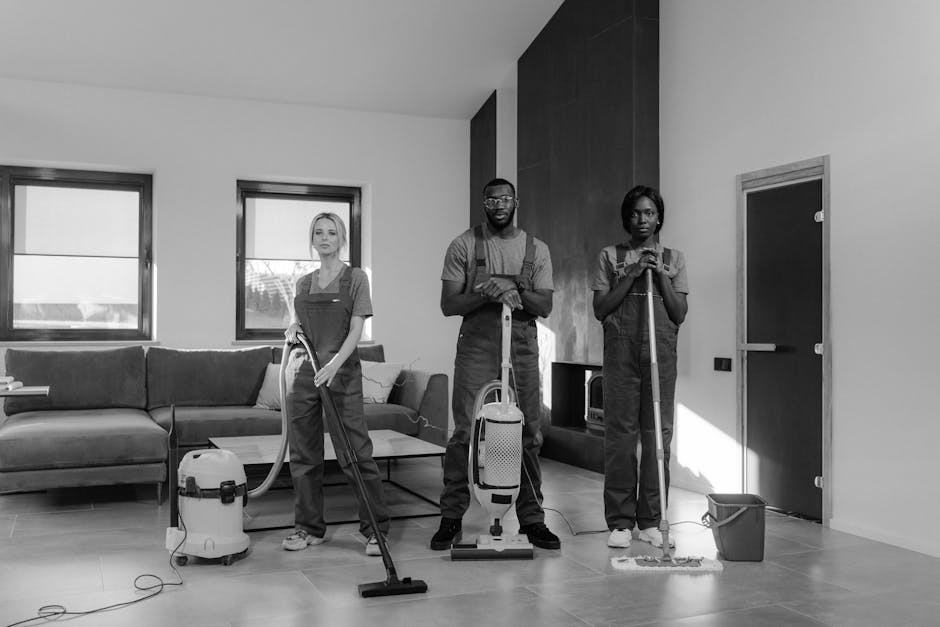
Cost & Time Breakdown
Let’s face it – deep cleaning is a significant investment, whether you’re spending money or time. Understanding the true costs of both options can help you make the best decision for your home and lifestyle.
The financial side of DIY cleaning adds up too. A complete kit of basic cleaning supplies runs $75-150, specialty cleaners another $20-50, and equipment rentals like carpet cleaners can cost $30-75 per day. Those expenses may seem smaller than hiring professionals, but when combined with your valuable time, the equation changes.
Professional in-depth house cleaning, on the other hand, requires minimal time investment from you – perhaps 30 minutes to prepare your home before the team arrives. The change happens in 3-8 hours (depending on your home’s size and condition), and the results are immediate.
More info about Deep Cleaning in Philly: Reset Your Home Like a Pro
When to Call the Pros for In Depth House Cleaning
While there’s satisfaction in completing a deep clean yourself, certain situations make professional help particularly valuable. Life transitions often call for expert cleaning assistance. Moving into a new home? You’ll want to start fresh. Moving out? Professional cleaning helps ensure deposit returns or prepares your home for sale. After renovations, professionals know how to properly remove that fine construction dust that seems to settle everywhere.
Practical limitations often tip the scales toward hiring help. When work and family obligations leave you time-poor, or when you lack specialized equipment for certain tasks, professional cleaners bring both time efficiency and all the necessary tools. For homes with natural stone surfaces or other specialty materials, professional knowledge prevents costly cleaning mistakes.
The truth is, in-depth house cleaning requires more than just elbow grease – it demands knowledge, proper equipment, and significant time. Whether you choose the DIY route or call in the professionals depends on your unique circumstances, but understanding the real costs and benefits of each option helps you make the choice that brings the most value to your home and life.
Maintaining the Sparkle Between Deep Cleans
The secret to a consistently clean home isn’t just about scheduling in-depth house cleaning services—it’s about maintaining those results between deep cleans. With some simple daily and weekly habits, you can extend the benefits of your deep clean and make the next one easier.

10-Minute Nightly Reset
Implementing a quick evening routine can prevent messes from accumulating and make your home feel perpetually tidier. I’ve seen how this simple habit transforms homes and reduces stress for our clients.
In the kitchen, take just five minutes to load the dishwasher or wash dishes by hand, wipe down countertops and stovetop, and maybe sweep the floor if dinner was particularly messy. Don’t forget to take out the trash if it’s full—nothing ruins a morning faster than yesterday’s garbage smell!
For living areas, spend three quick minutes returning items to their proper places, fluffing cushions, folding throws, and clearing off tables. This simple reset makes the space instantly more inviting and peaceful.
Don’t neglect the bathroom in your nightly routine. A two-minute wipe-down of counters and faucets, a quick shower door squeegee after the last shower, and properly hanging towels prevents moisture issues and keeps the space feeling fresh.
For families with children, making this reset a team effort teaches responsibility while making the task even quicker. One Montgomery County family we work with created a game they call “Beat the Clock” where everyone races to get their zone cleaned before a 5-minute timer goes off. The kids actually look forward to cleanup time now!
Monthly Mini-Deep Tasks
Between full in-depth house cleaning sessions, incorporating some smaller deep-cleaning tasks into your monthly routine helps maintain that fresh, clean feeling without overwhelming your schedule.
During the first week of each month, focus on ventilation—vacuum all vents, replace filters if needed, clean ceiling fan blades, and dust light fixtures. Good air quality makes everything feel cleaner, and this regular maintenance prevents that “dusty” smell from returning.
In the second week, refresh fabrics by washing shower curtains and bath mats, laundering or vacuuming curtains, and thoroughly vacuuming upholstery (don’t forget under those cushions where crumbs love to hide!). Fabric care extends the life of your textiles while eliminating odors that can make a clean home feel less fresh.
The third week is perfect for appliance maintenance. Clean your microwave interior thoroughly, wipe down refrigerator shelves, run the dishwasher cleaning cycle, and freshen your washing machine with a vinegar cycle. These often-neglected tasks prevent odors and keep appliances functioning efficiently.
For the fourth week, tackle detail work that often gets overlooked—clean inside one cabinet or drawer in each room, dust blinds thoroughly, and wipe down baseboards in high-traffic areas. These finishing touches maintain that “just deep cleaned” feeling.
For busy professionals, another strategy is to focus on just one room per week for a mini-deep clean. This approach takes only about 30 minutes per week but helps maintain the overall cleanliness of your home between professional services. I’ve seen clients transform their cleaning experience from dreaded marathon sessions to manageable sprints using this method.
Maintaining your home between deep cleans isn’t about perfection—it’s about creating simple habits that work for your lifestyle. These small efforts compound over time, creating a consistently cleaner, more comfortable living environment for you and your family.
Frequently Asked Questions about In Depth House Cleaning
After cleaning thousands of homes, we’ve heard just about every cleaning question imaginable. Here are the questions our clients ask most often – along with honest answers from our team at Executive Maids.
How much time does a full deep clean usually take?
When our Executive Maids team tackles an in-depth house cleaning for an average 3-bedroom, 2-bathroom home, we typically finish in 3-8 hours with 2-3 cleaners working efficiently together. Every home is different though – factors like size, condition, and special challenges can extend this timeframe.
If you’re brave enough to DIY, prepare for a much longer commitment. Most homeowners spend 8-16 hours on a proper deep clean, often spread across an entire weekend or more. First-time deep cleans almost always take longer than maintenance ones.
Can deep cleaning reduce allergies?
The short answer? Absolutely yes! An in-depth house cleaning can bring remarkable relief to allergy sufferers. When we deep clean, we’re removing the invisible triggers that regular cleaning often misses – dust mites, pet dander, pollen, and other allergens that love hiding in your carpets, upholstery, and bedding.
Science backs this up too. A study in the Journal of Allergy and Clinical Immunology found that thorough cleaning reduces dust mite allergens by up to 84%. That’s life-changing for many people!
For maximum allergy relief, we focus on using vacuums with HEPA filters, washing bedding in hot water (130°F or higher), dusting with microfiber cloths that trap particles rather than just moving them around, and ensuring HVAC filters are clean or replaced.
What supplies are truly essential vs. optional?
After nearly three decades in the cleaning business, I’ve learned that effective deep cleaning doesn’t require a closet full of specialty products. Here’s what’s truly essential:
You absolutely need good microfiber cloths in multiple colors (to prevent cross-contamination between rooms), a quality vacuum with attachments for different surfaces, an extendable duster for reaching high spots, all-purpose cleaner, bathroom disinfectant, glass cleaner, various scrub brushes, rubber gloves, a bucket, and a microfiber mop.
Nice to have but optional are things like steam cleaners (wonderful for grout and bathrooms!), extension poles for high dusting, specialty cleaners for specific surfaces, carpet cleaning machines, dedicated grout brushes, pumice stones for stubborn toilet rings, and melamine foam erasers for wall marks.
Conclusion
Throughout this guide, we’ve explored the transformative power of in-depth house cleaning—a process that goes far beyond everyday tidying to create a truly healthy, comfortable living environment. Think of it as hitting the reset button on your home, giving you that fresh start feeling that simply can’t be achieved with regular cleaning.
I’ve seen how regular deep cleaning prevents costly problems down the road. Those little spots of mildew in the bathroom corner? They won’t turn into a major mold remediation project if they’re addressed during quarterly deep cleans. The tiny crumbs that attract pests? They won’t have a chance to become an infestation.
Whether you decide to tackle deep cleaning yourself or bring in our professional team, the key is consistency and thoroughness. At Executive Maids, we’ve spent nearly three decades perfecting our approach to in-depth house cleaning, developing systems that ensure every nook and cranny gets the attention it deserves.